

If you want to set up a WooCommerce private store quickly, you found the right guide. Choosing the most effective method to hide your WooCommerce catalog poses the real challenge.
This tutorial walks you through every practical way to restrict access and secure your store. By the end, you will know exactly which approach fits your WooCommerce wholesale store or B2B portal, how to build it step-by-step, and which common mistakes to avoid.
What Is a WooCommerce Private Store?
A WooCommerce private store is a shop where products, categories, or the entire storefront are hidden from the public and only visible to approved users. Instead of anyone landing on your shop page and browsing freely, visitors either see a login prompt or see a password field before they can view anything.
Some businesses hide the entire site behind a password. Others let anyone see the homepage, but password protects the shop. Some only restrict specific categories, like a VIP collection or an internal ordering catalog, while keeping the rest of the store public. The method you pick depends entirely on who you’re trying to keep out and who you want to let in.
Why Create a Private WooCommerce Store?
A private WooCommerce store is often a business requirement. Membership sites restrict products to paying subscribers. Companies running employee stores or internal ordering portals don’t want their catalog indexed by search engines or visible to the public at all.
Agencies building client-specific storefronts use passwords so each client only sees their own catalog. Some stores sell digital products and need to control who can access those products.
Common scenarios where a private WooCommerce store makes sense:
- Wholesale stores selling to verified retailers only
- B2B catalogs with negotiated pricing
- Employee or internal company ordering
- Client portals for agencies or manufacturers
- VIP or members-only product collections
- Digital downloads restricted to paying subscribers
- Distributor-specific catalogs
- Age-restricted or regulated products
- Educational resources tied to a course purchase
- Luxury or invite-only product drops
Which Private WooCommerce Store Setup Is Right for You?
Before picking a plugin, figure out what kind of privacy you actually need. Most people jump straight into a tutorial and end up installing the wrong tool, then spend hours undoing it. Answer one question first: who are you restricting the store from, and who gets access?
Use this table as a starting point, then check the decision path below it if you’re still unsure.
| Store Type | Best For |
| Entire store private | Wholesale operations |
| Logged-in users only | B2B accounts |
| Password protected | Client-specific stores |
| Membership only | Courses and subscriptions |
| Category-based restriction | VIP collections |
| User role restrictions | Distributors and resellers |
| Hidden catalog | Internal company use |
If the table doesn’t make the choice obvious, walk through this instead:
- Want only wholesalers to see pricing and products? Restrict to logged-in users, apply user role protection, and hide all products from guests.
- Need a catalog specific to one client or agency project? Password protect the store. Use separate passwords per client if needed.
- Selling premium or subscription-based products? Use a membership plugin and tie access to a subscription plan.
- Only want to hide one category, like VIP or internal items? Password protect that category alone and leave the rest of the store public.
This kind of decision tree matters more than it looks. A wholesale seller who installs a full membership plugin ends up managing subscriptions they never needed. A client-services agency that tries to build user roles for a single-project catalog does far more work than a simple password requires. Match the tool to the actual goal first.
Create a WooCommerce Private Store in 4 Ways
Four effective methods help you set up a private WooCommerce store, and each one solves a slightly different problem. Some protect the whole site, while others secure individual products or categories, though they might only get you partway there without extra tools.
Most stores choose the Password Protected plugin because it covers the entire store, individual products, and categories from a single dashboard, without forcing you into an unnecessary subscription model.
Set Up a WooCommerce Private Store With Password Protected
This is the fastest and most flexible way to set up a WooCommerce private store, which is why we cover it first and in the most detail. Password Protected lets you lock the entire shop, specific products, or whole categories behind a password, without touching user accounts or membership logic.
Prerequisites: A working WordPress and WooCommerce installation, administrator access, and about fifteen minutes.
Install and Activate Password Protected
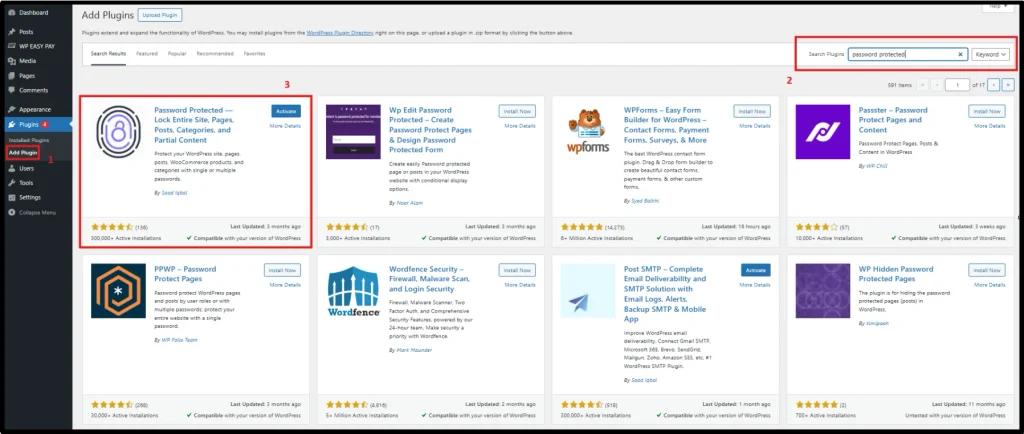
- In your WordPress dashboard, go to Plugins → Add Plugin.
- Enter Password Protected in the search bar on the right.
- Click Install Now, then Activate.
Remember: Specific Page, Post, Category, and Partial protection require Password Protected premium.
You can install Password Protected Pro by following the steps below:
- Go to the Password Protected pricing page and purchase your desired plan.
- You will receive an email with the plugin ZIP file and a key after purchase.
- Download the ZIP file and copy the key.
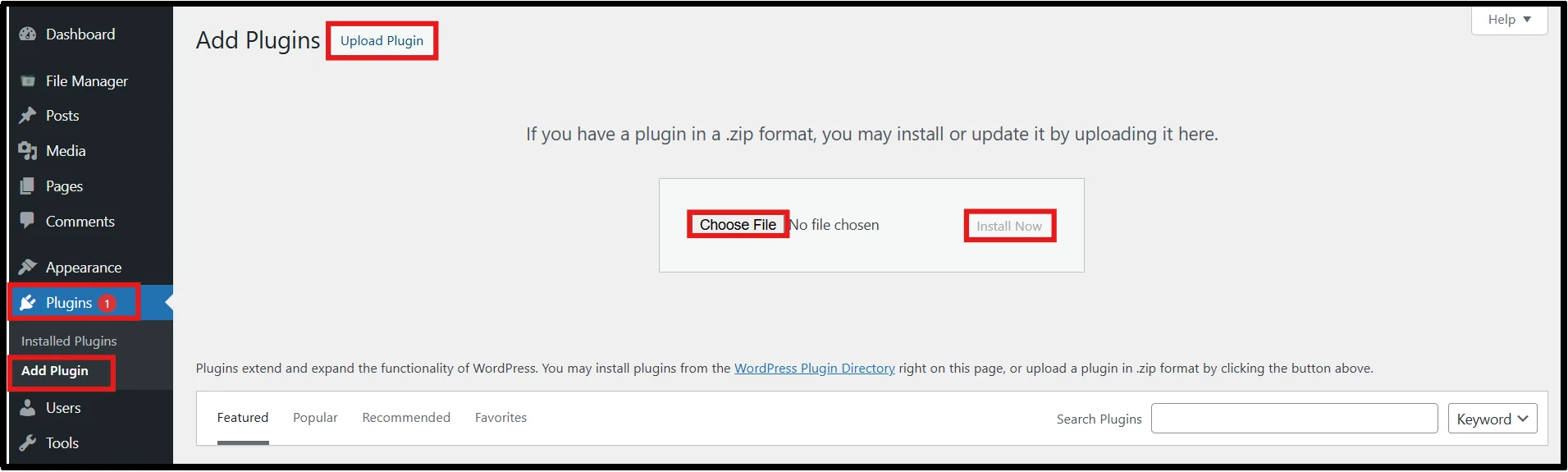
- Go to Plugins → Add New → Upload Plugin.
- Click on Upload Plugin, choose file, and install now.
- You will be redirected to the activation page. Enter your key and click on Activate License.
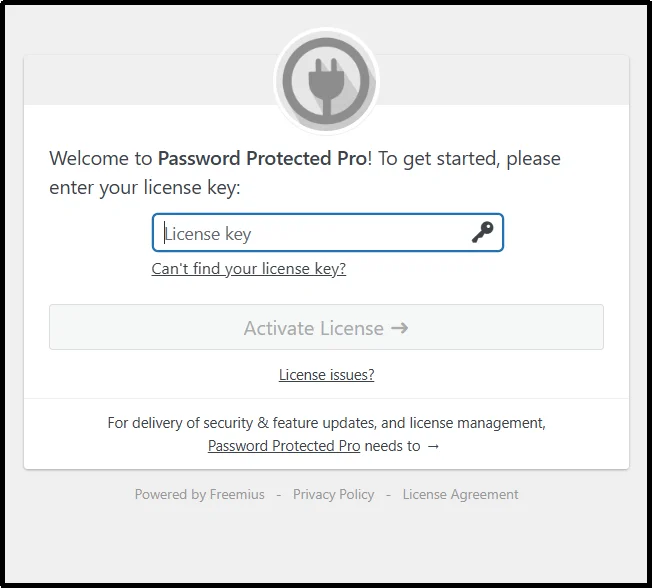
- Once activated, you’ll see the plugin settings in your dashboard sidebar.
Method 1: Make Entire WooCommerce Website Private
Note: For password protecting the entire site, you don’t need the PRO version.
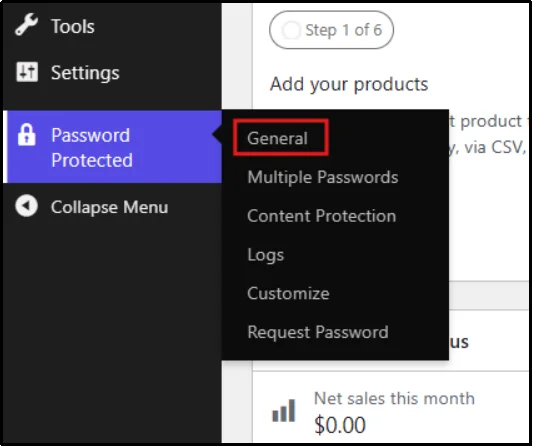
- Go to Password Protected → General.
- Toggle the Password Protected Status ON.
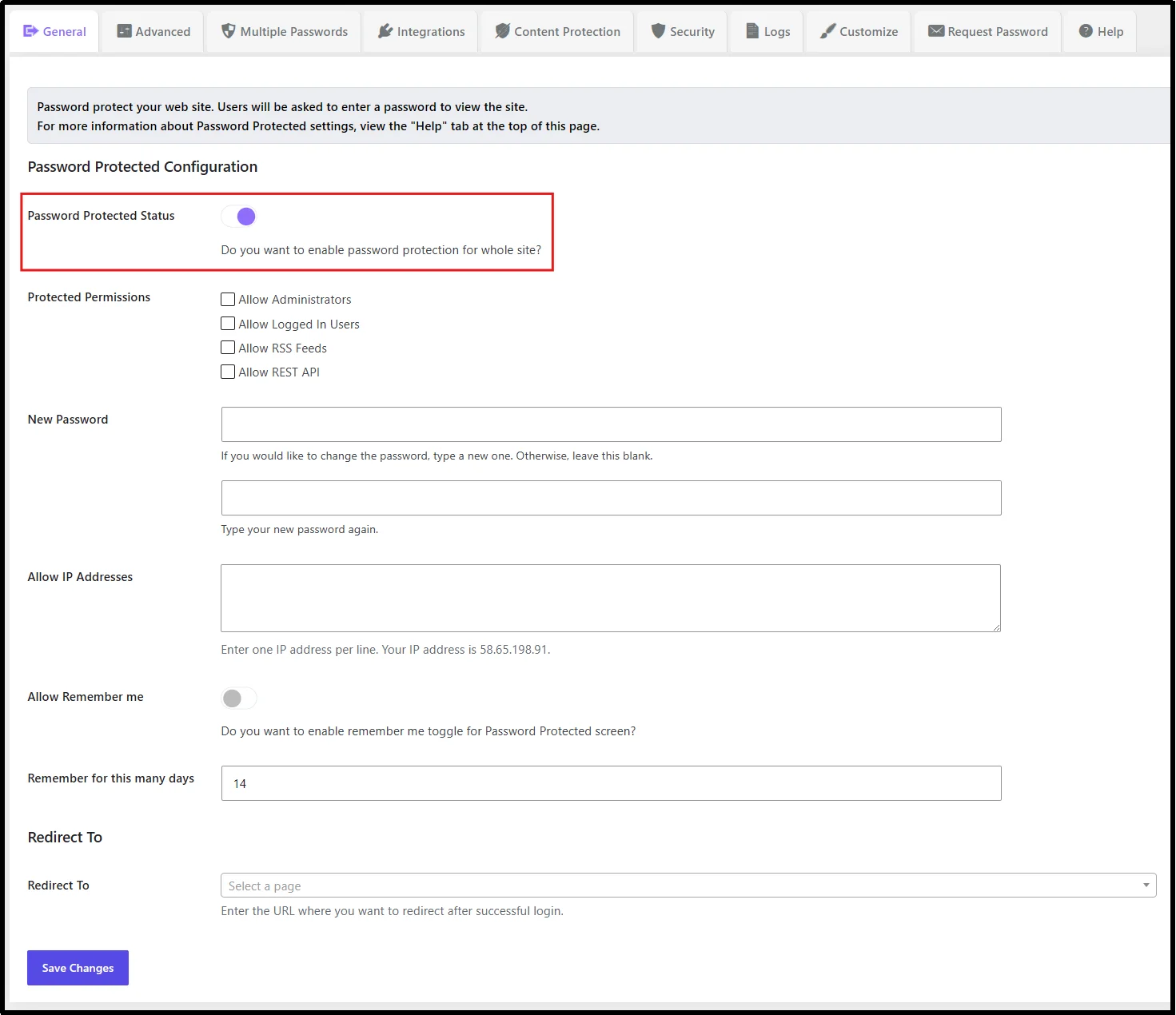
- Set your desired Protected Permissions; one of the most commonly used is – Allow Administrators.
- Enter a New Password – ensure it is a difficult one. You can also toggle the Allow Remember Me status and set its duration in days.
- Upon successful attempt, you can also redirect the visitor to any page you like by selecting a page in the Redirect To section.
- Now click Save Changes.
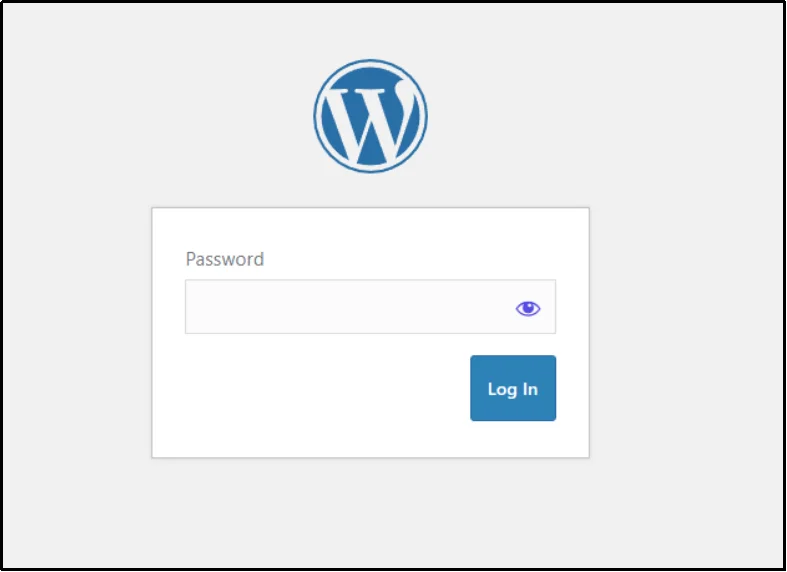
Your entire WooCommerce Store is now private, and this is what it looks like when visiting any page.
Method 2: Make Just WooCommerce Store Private
What makes this different from the previous one is that a visitor can access the home page, blogs, and contact page. But the shop, checkout, and order pages will be private.
There are two approaches:
- Exclude the other pages from password protection
- Apply password protection to store pages (Recommended)
If your website doesn’t have many pages, you can follow the first step, but if you have multiple pages, you should opt for the second one.
Exclude The Other Pages From Password Protection
- Go to Password Protected → General. Toggle Password Protected Status On and follow the steps from Method 1.
- Select the Advanced Tab.
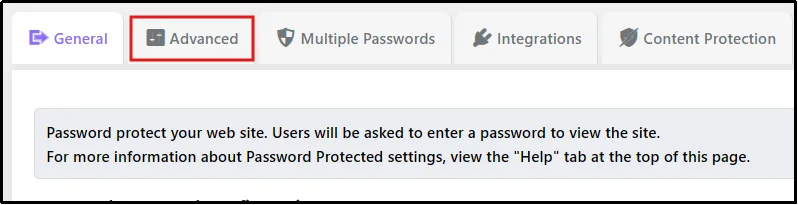
- Click on the Exclude Pages field and select the pages you want to exclude – pick those that are other than WooCommerce Store pages, such as the home page, about us, contact, etc.
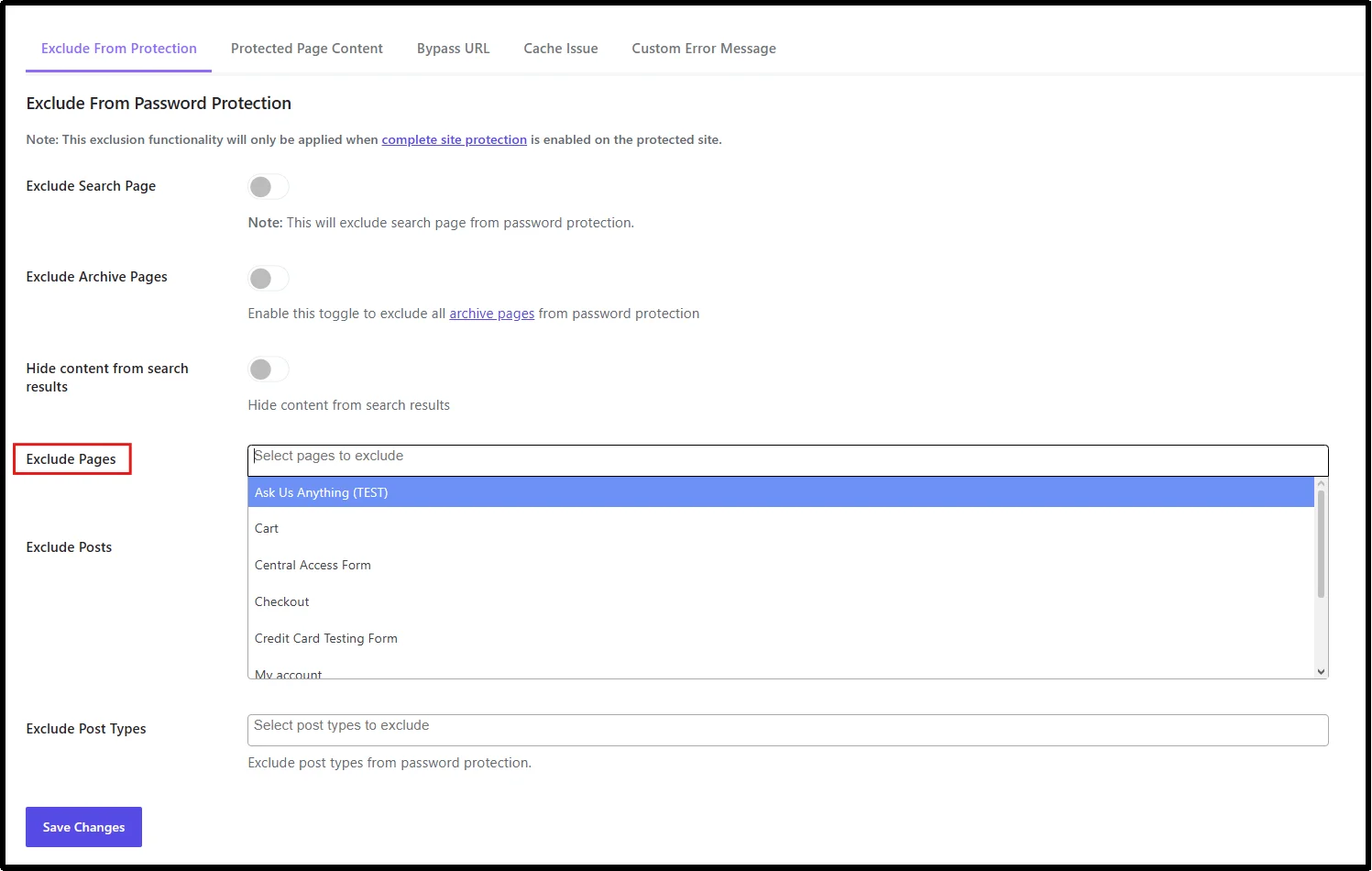
- Once selected, click on Save Changes.
Apply Password Protection To Store Pages (Recommended)
- Go to Password Protected → General. Select the Content Protection tab.

- Under Post Type Protection, select Individual Pages.
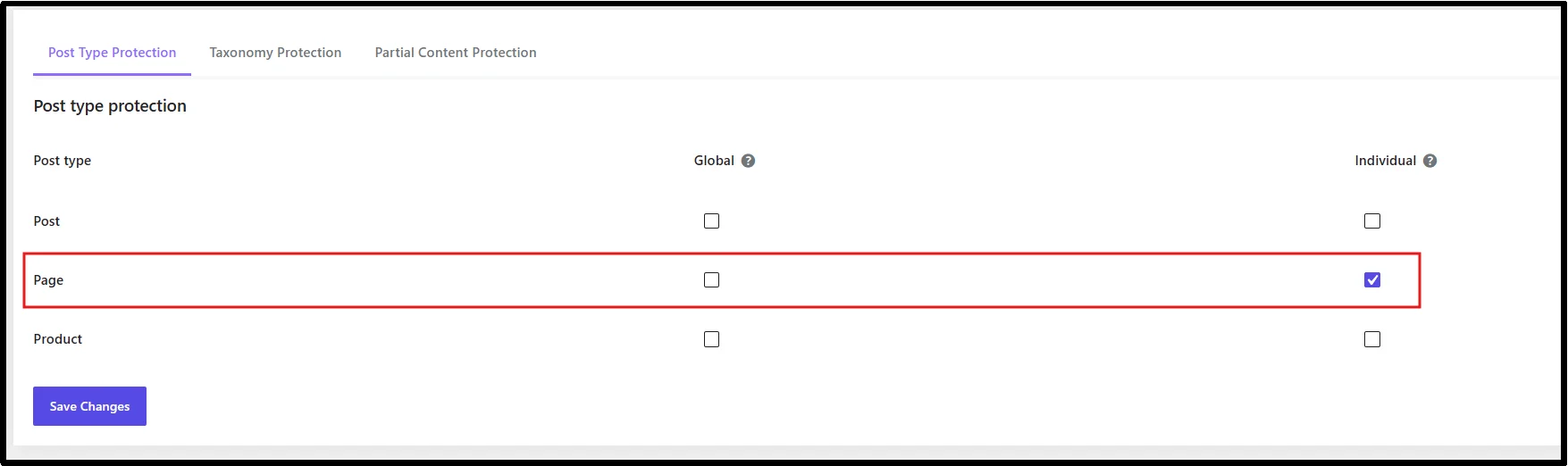
- Click on Save Changes.
- Now head to Pages → All Pages.
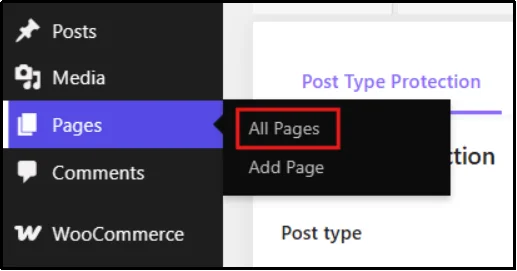
- Click on Edit under any respective WooCommerce Store page, like Checkout.

- At the bottom, you will notice a Password Protected plugin Box. Enable Password Protection for the page and click on Save Changes. It will automatically refresh the page, and you will see new options.
- Now you can set up your own password based on your desired criteria.
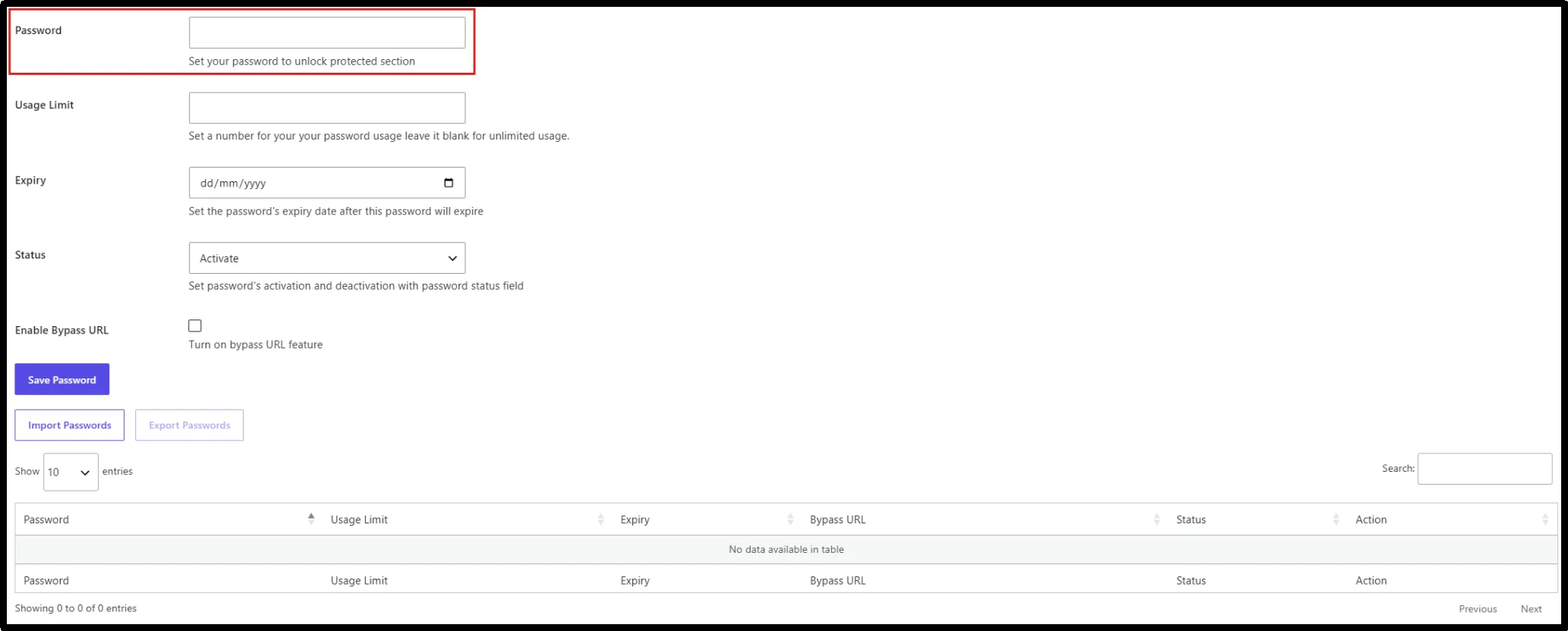
- Once done, click on Save Password and Update page.
Although this is a tedious process, do the same for all WooCommerce Store pages, and you will make the WooCommerce Store Private.
Method 3: Set up a WooCommerce Private Product
If you want to sell a specific product privately, you can password protect an individual WooCommerce product using the Password Protected plugin.
To make an individual WooCommerce product private, follow the steps below:
- Go to Password Protected → General. Select the Content Protection tab. Under Post Type Protection, select Individual Products.
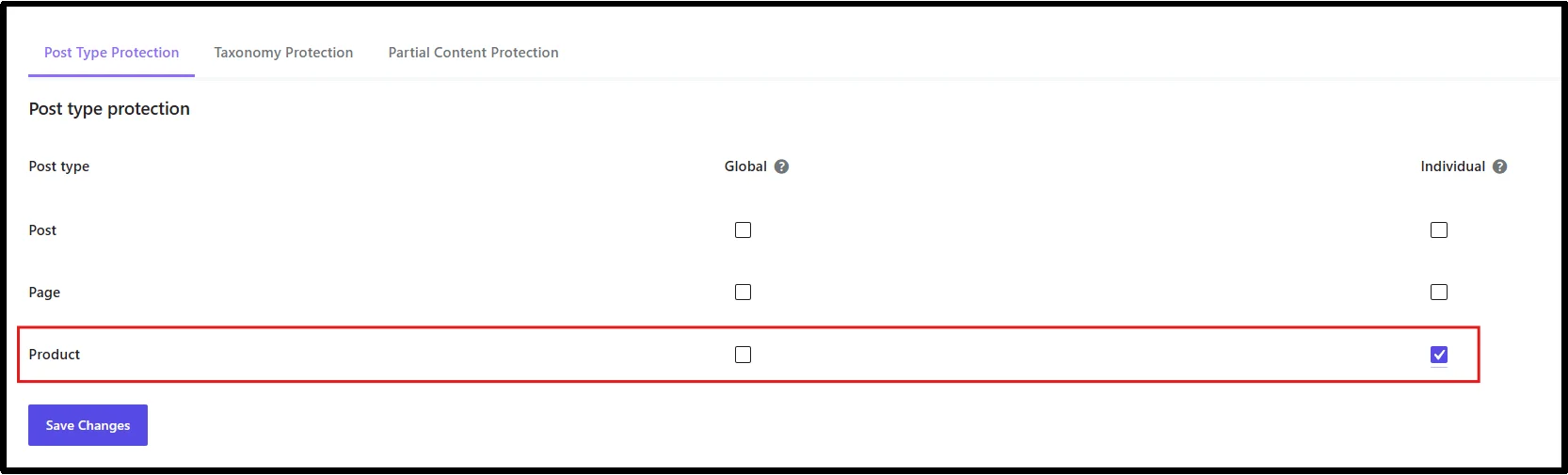
Note: If you prefer to protect all WooCommerce products, you can check the box under the “Global” column instead.
- Click on Save Changes.
- Now, under WooCommerce, head to Products → All Products.
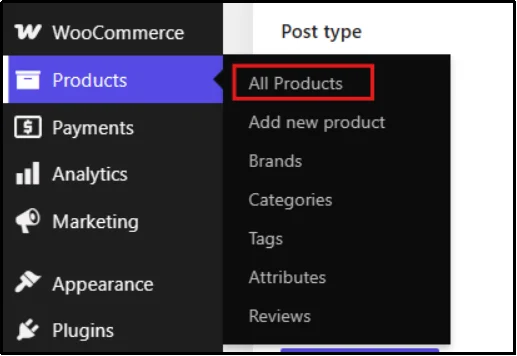
- Under a product name, click on Edit.
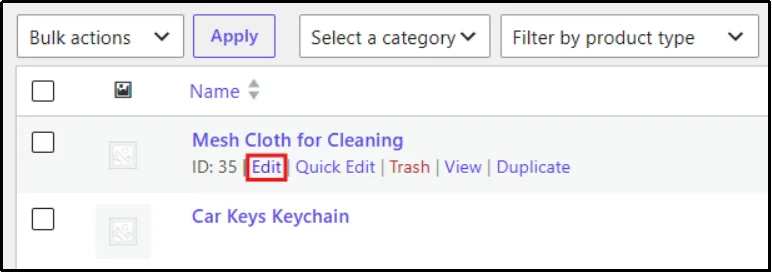
- Scroll down and Enable Password Protection.

- Now set your desired password with any criteria and click on Save Password.
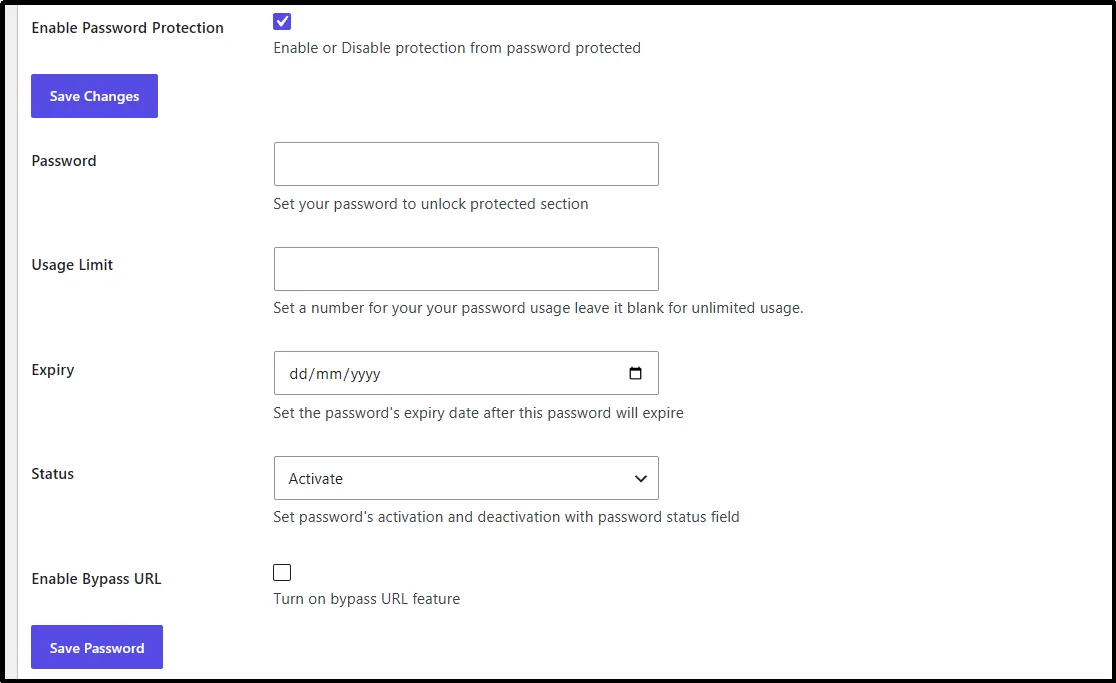
- Now scroll to the top and, in the top-right, click Update.
You have successfully made a WooCommerce product private.
Method 4: Password Protect WooCommerce Categories
- Go to Password Protected → General. Select the Content Protection tab → Taxonomy Protection.
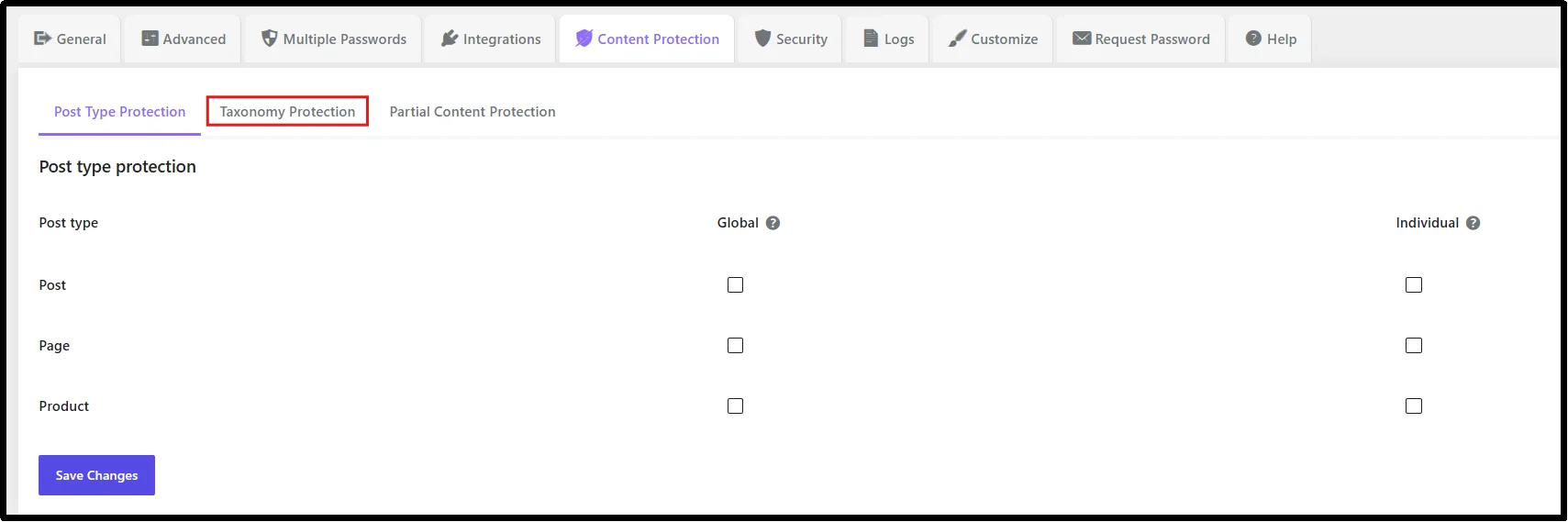
- Select Product Category and tick the Checkbox.
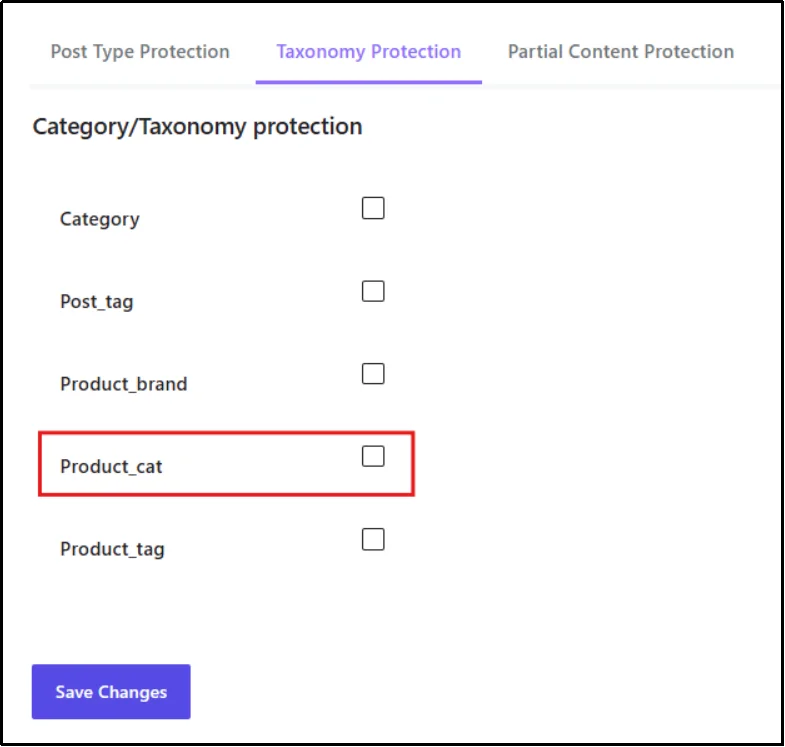
- Click on Save Changes.
- Now go to Products → Categories.
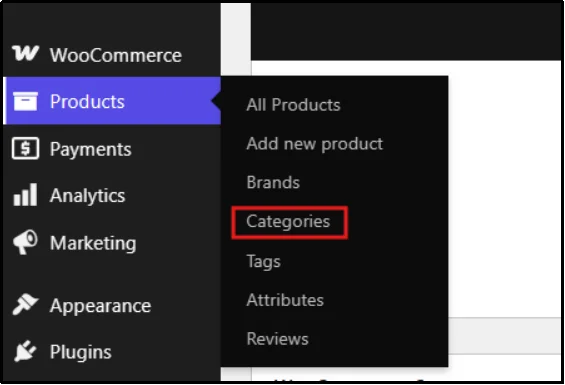
- On the right side, you will find the Password Protected section; enable Password Protection status.
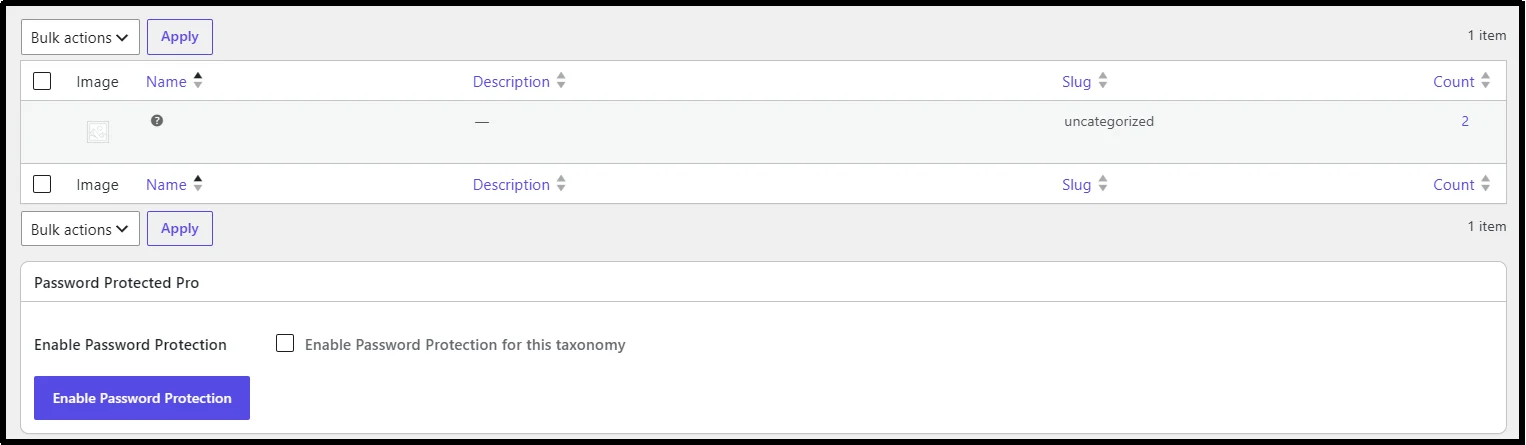
- Click on the Product Category field, and select the appropriate categories you want to make private.
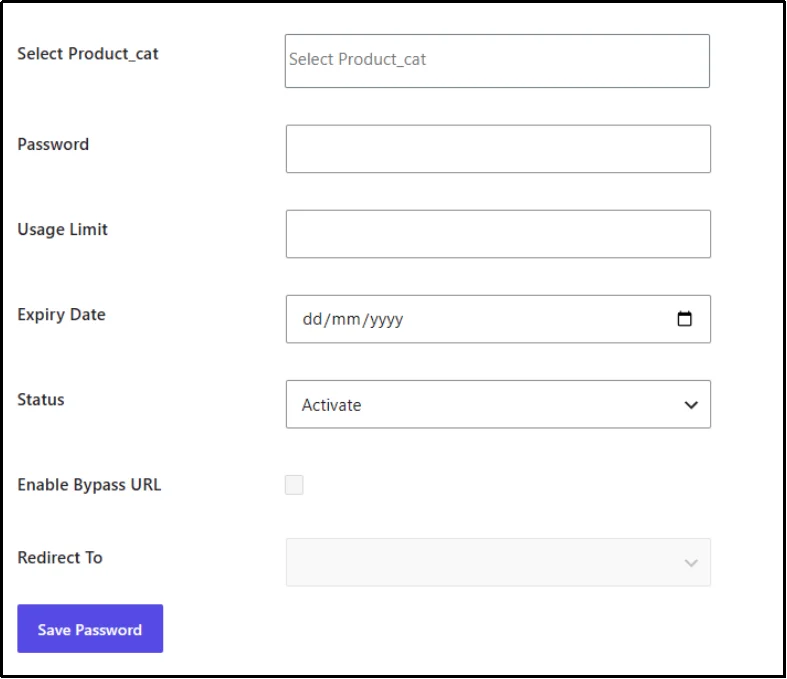
- Set a password and your desired criteria, then click on Save Password.
You have now also made That’s it! You’ve now successfully created a private WooCommerce store through product categories protection.
Best Practices for a Private WooCommerce Store
Setting up a private WooCommerce store is only the first step. To ensure your products, pricing, and store content remain truly private, you need to check for common visibility gaps that can expose information to unauthorized visitors. Follow these best practices to strengthen your store’s security, deliver a seamless user experience, and keep restricted content accessible only to the right customers.
- Hide the shop page: Restrict access to the shop page itself so visitors don’t see an empty storefront.
- Protect direct product links: Secure individual product pages, especially if they’ve been shared through emails, ads, or blog posts.
- Disable product search results: Make sure protected products don’t appear in your site’s search results.
- Prevent category leaks: Hide product names, thumbnails, and counts from category and archive pages.
- Test guest access regularly: Browse your site as a logged-out user after updates or configuration changes to verify nothing is unintentionally visible.
Troubleshooting Common Issues
Even a correct setup sometimes leaves a gap somewhere, and most of the recurring issues have simple causes.
- Products still visible after protection is enabled: usually a caching issue. Clear all caching layers, including any CDN cache, and test again in a fresh incognito window.
- Shop page still visible to guests: check that store-wide protection is scoped to the shop page itself and not just individual products, since some plugins treat these as separate settings.
- Categories showing product thumbnails: category archive pages sometimes render independently of individual product protection. Confirm category-level restriction is enabled separately.
- Protected items appearing in search results: on-site search often needs its own exclusion setting, separate from the page-level password.
- Login loop or repeated redirect: typically a permalink or cookie conflict. Resave permalinks under Settings, then clear cookies and retest.
- User role restriction not applying: confirm the customer’s account is actually assigned the intended role, since default WooCommerce registration usually assigns “Customer” and won’t inherit wholesale permissions automatically.
- Plugin conflicts: if two protection or caching plugins are both trying to manage access, disable one at a time to isolate which plugin is causing the issue.
Set Up Your Private WooCommerce Store in Minutes
A private WooCommerce store gives you full control over who views and purchases your products. Whether you create a wholesale store, a members-only shop, a client portal, or an internal catalog, choosing the right setup makes it easier to manage access while keeping your products protected.
For most businesses, using a dedicated plugin, like Password Protected, offers the simplest and most reliable option. You can make your entire store private, restrict specific products or categories, or allow access only to logged-in users, depending on your needs.
Before you publish your store, test everything as a guest user. Check that your shop page, products, categories, search results, and direct product links all remain protected as expected. A quick review now helps you avoid exposing private content later and gives your customers a smooth experience from the moment they log in.
Get your hands on Password Protected and make your first private WooCommerce store today.
Frequently Asked Questions
Can Google see my private store?
No, as long as it’s properly password protected. Googlebot can’t get past the password prompt to crawl or index the content behind it.
Can guests access products without logging in?
No. But if the password protection was set incorrectly, guests might be able to access it. Test direct product URLs in an incognito window to confirm guests are actually blocked.
Can I password protect just one category?
Yes. Password Protected supports category-level protection separate from the whole WooCommerce store.
Does password protection hurt my SEO?
Not for the pages you intend to hide. It can actually help by keeping unfinished or non-public pages out of the index, as long as you’re not accidentally blocking pages meant to rank.
Can I restrict products by user role instead of a password?
Yes, this is the standard approach for wholesale and B2B stores where different account types need different access levels.
Can I combine multiple methods, like passwords and user roles?
Yes, and many stores do exactly this, using a store-wide password as a general gate and user roles for pricing and catalog differences underneath it.