

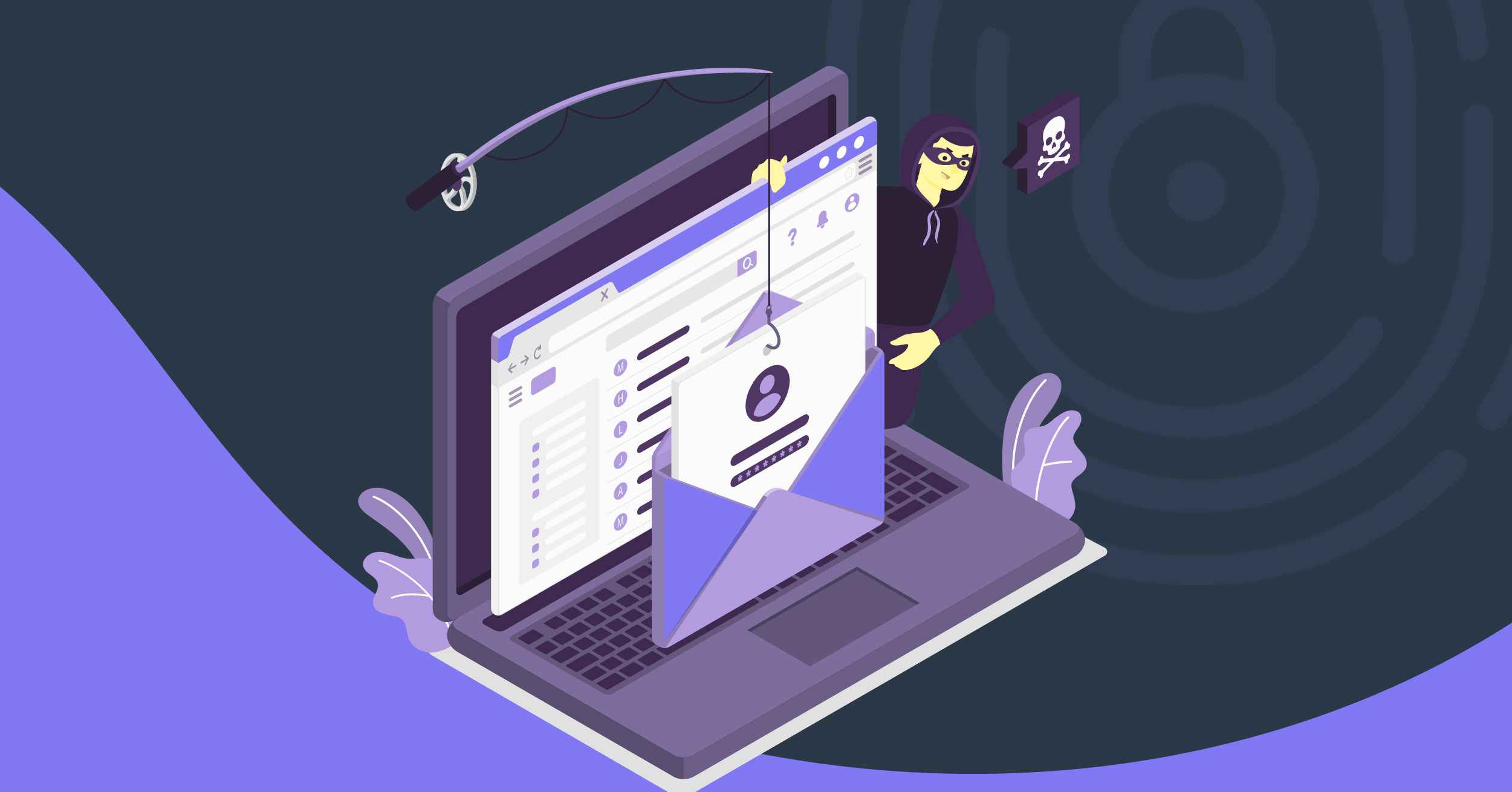
Pretexting is a deceptive cyberattack where criminals manipulate victims into revealing sensitive information by fabricating a convincing story. Unlike traditional hacking, which exploits technical weaknesses, pretexting exploits human trust and psychological vulnerabilities.
Attackers often pose as trusted individuals—such as company executives, IT personnel, or financial representatives—to extract confidential data like login credentials, banking details, or corporate secrets.
In 2015, when cybercriminals targeted Ubiquiti Networks, they impersonated top executives and tricked employees into authorizing fraudulent payments, costing the company a staggering $46.7 million.
In this article, we will explore how pretexting works, provide real-world examples, examine pretexting attack techniques, and present effective prevention strategies to safeguard individuals and organizations from falling victim to this cyber threat.
Ready? Let’s get started!
What Is a Pretexting Attack? Definition
Pretexting is a form of social engineering attack where attackers create a false story to manipulate victims into sharing sensitive information or granting access to systems. Unlike other cyber threats that rely on technical exploits, pretexting takes advantage of human psychology, trust, and social norms.
As discussed earlier, attackers impersonate authority figures to make their deception more convincing. This tactic has been used for years, from journalists extracting confidential information to cybercriminals targeting businesses and individuals.
Nowadays, pretexting remains a significant threat, with scammers using emails, phone calls, and text messages to carry out their attacks.
What is the Difference Between Pretexting and Phishing?
Pretexting and phishing attacks both manipulate victims into revealing sensitive information, but they use different tactics. While both fall under social engineering, their execution and psychological approaches set them apart.
In a phishing attack, hackers cast a wide net by sending mass emails or messages that create urgency or fear, pressuring recipients to act quickly. Attackers hope a small percentage of targets will fall for the trap.
In contrast, pretexting is more calculated and personalized. Cybercriminals build elaborate backstories, research victims thoroughly, and establish trust before extracting information.
| Difference | Pretexting | Phishing |
| Approach | Targeted and personalized, attackers create a detailed backstory. | Mass communication to multiple victims with generic messages. |
| Tactic Used | Establishes trust over time with a convincing scenario. | Creates urgency or fear to pressure victims into quick action. |
| Targeting | Focuses on specific individuals or organizations after thorough research. | Targets a broad audience, relying on a percentage of victims to respond. |
| Communication Method | Often involves direct interaction via phone calls, emails, or in-person deception. | Uses emails, fake websites, or messages with malicious links. |
| Emotional Trigger | Relies on credibility and trust to manipulate the victim. | Uses fear, urgency, or curiosity to provoke an immediate response. |
| Goal | Extracts sensitive data by convincing victims through a fabricated story. | Tricks victims into clicking malicious links, downloading malware, or sharing credentials. |
| Execution Time | Takes time to develop a relationship and make the request seem legitimate. | Happens quickly, often in a single email or message interaction. |
How Does a Pretexting Attack Work?
In Pretexting attacks, attackers follow a calculated series of steps to manipulate victims into revealing sensitive information. Below is a step-by-step breakdown of how a pretexting attack works.
#1: Information Gathering — Attackers start by collecting details about their target from social media, company websites, public databases, and other sources. They look for job titles, contact details, relationships, and behavioral patterns to craft a believable pretext.
#2: Crafting a Convincing Story — Using the gathered information, attackers create a fake yet credible scenario. They often impersonate trusted figures—such as IT staff, financial auditors, or law enforcement officials—to justify their request for sensitive data.
#3: Building Trust and Authority — Once the attacker initiates contact by any medium of communication, they use psychological tactics to gain the victim’s confidence. They may reference specific details to appear legitimate and establish authority.
#4: Engaging the Target — Attackers engage in conversation to make the victim feel comfortable. They may use shared interests, urgent situations, or company policies as reasons for their request. This makes victims more likely to comply.
#5: Requesting Sensitive Information — With trust established, attackers directly ask for confidential data such as passwords, financial details, or access credentials. They may create a sense of urgency, pressuring the victim to act quickly without verification.
#6: Exploiting the Information — Once the attackers obtain the information, they use it for financial fraud, identity theft, or corporate espionage. They may also sell the data on the dark web or use it to launch further attacks.
It is one of the most common yet effective forms of cyberattack. Let’s check out some of the real-world examples.
Real-World Examples of a Pretexting Attack
In some of the most notorious cybercrimes and financial frauds, pretexting attacks have played a major role. Because these attacks exploit human trust and rely on deception, they have been used to steal millions of dollars, gain unauthorized access to sensitive data, and manipulate individuals into compromising security.
The following are some real-world examples of pretexting attacks that highlight the devastating impact of this social engineering tactic.
Hewlett-Packard Pretexting Scandal (2006)
Hewlett-Packard (HP) became the center of controversy when investigators hired by the company impersonated board members and journalists to obtain their phone records. The investigators used pretexting techniques to deceive phone companies into disclosing call logs. This scandal sparked legal and ethical concerns, leading to changes in U.S. laws regarding the use of social engineering for unauthorized data collection.
Ubiquiti Networks Fraud (2015)
As we discussed earlier, in 2015, attackers executed a sophisticated pretexting scheme by impersonating senior executives of Ubiquiti Networks. They sent fraudulent messages to employees, instructing them to transfer funds to external bank accounts controlled by the attackers. This elaborate scam led to financial losses totaling $46.7 million.
Twitter Account Takeover (2020)
A combination of pretexting, spear phishing, and hacking enabled cybercriminals to deceive Twitter employees into disclosing their credentials. Once the attackers gained access, they took control of high-profile accounts, including those of Barack Obama and Kanye West. The compromised accounts were then used to promote cryptocurrency scams.
Quanta Computer Fraud (2013-2015)
In one of the most expensive pretexting attacks ever, cybercriminals impersonated representatives of Quanta Computer, a supplier for companies like Facebook and Google. They sent fake invoices and forged supporting documents to trick these tech giants into transferring over $100 million to fraudulent accounts. The attackers’ ability to convincingly pose as trusted partners played a critical role in this cyberattack.
Deepfake CFO Impersonation (2024)
Using deepfake technology, cybercriminals created realistic video and audio representations of multiple senior managers, including a Chief Financial Officer (CFO). During a fraudulent video conference, the attackers manipulated an employee into transferring HK$200 million to their accounts. This case demonstrated the growing sophistication of pretexting attacks, blending artificial intelligence with social engineering tactics.
Fake Job Recruitment Scam (2023)
During a period of widespread layoffs in the tech industry, scammers falsely represented themselves as recruiters on platforms like LinkedIn. They copied real job listings and built fake career portals to trick job seekers into submitting personal documents, including Social Security numbers and banking details. Some victims were even asked to pay fraudulent “application fees,” turning their desperate job search into a costly mistake.
07 Pretexting Attack Techniques That Cybercriminals Use
Cybercriminals use various pretexting techniques to manipulate victims into revealing sensitive information. Below, we have listed seven common pretexting techniques used by attackers.
- Impersonation
Attackers pose as trusted individuals to trick victims into leaking sensitive data. They may spoof phone numbers or email addresses to appear legitimate. A notable example is the SIM swap scam, where an attacker pretends to be the victim and convinces a mobile provider to transfer the phone number to a new SIM, allowing them to intercept security codes and gain access to accounts.
- Tailgating
In this technique, an attacker physically follows an authorized person into a restricted area without proper credentials. For instance, they may wait near a secure entrance and quickly slip through before the door locks. Tailgating allows attackers to gain access to office buildings, data centers, and other secured locations, posing a serious security risk.
- Piggybacking
Similar to tailgating, piggybacking occurs when an unauthorized person gains access to a restricted area with the consent of an authorized individual. The attacker might pretend to have forgotten their access badge or carry heavy items to manipulate someone into holding the door open for them. Unlike tailgating, the authorized person knowingly assists the attacker, often without realizing the risk.
- Baiting
Baiting tricks victims into engaging with malicious content by offering something appealing. Attackers may leave an infected USB drive labeled “Confidential” in a public space, hoping someone will insert it into their computer. Online baiting schemes use enticing ads or free downloads that install malware when clicked. These tactics exploit curiosity and a desire for free or exclusive content.
- Phishing
Phishing involves fraudulent emails or messages that appear to come from trusted sources. Cybercriminals use pretexting to create convincing scenarios, such as an urgent request from a bank or employer. For example, in 2017, scammers tricked MacEwan University employees into changing banking details for a contractor, leading to a loss of nearly $9 million.
- Vishing and Smishing
Vishing (Voice Phishing): Attackers use phone calls to impersonate authority figures, such as government officials or bank representatives, to steal sensitive information. A common scam involves criminals pretending to be IRS agents and demanding immediate payment.
Smishing (SMS Phishing): Instead of phone calls, attackers use text messages to deceive victims. They send fake security alerts or prize notifications with malicious links, prompting users to reveal passwords or install malware.
- Scareware
Scareware bombards victims with fake warnings about security threats, urging them to download software that is actually malware. Pop-up messages claiming “Your computer is infected!” trick users into installing malicious programs or paying for useless services. These attacks create panic, pushing victims to act quickly without verifying the legitimacy of the alert.
How to Identify a Pretexting Attack
Pretexting attacks can be difficult to spot, as cybercriminals carefully craft their deception to appear legitimate. However, certain warning signs can help individuals and organizations recognize potential threats before falling victim.
Here are key indicators to watch for:
- Unexpected Requests for Sensitive Information
A major red flag is an unsolicited request for personal, financial, or confidential information, especially through phone calls or emails. Legitimate organizations rarely ask for sensitive details without prior notice. If someone unexpectedly requests login credentials, financial data, or personal identification, verify their identity through official channels before responding.
- False Sense of Urgency
Attackers often create a sense of urgency to pressure victims into making rushed decisions. They may claim an account will be locked, a payment is overdue, or legal action is required. If a request demands immediate action without a clear or logical reason, take a step back and verify the claim. Legitimate organizations allow time for verification rather than forcing quick decisions.
- Contradictions in the Caller’s Story
Cybercriminals may struggle to maintain consistency in their deception. If details about their identity, purpose, or organization seem contradictory, it could indicate a pretexting attempt. Listen carefully for inconsistencies and ask follow-up questions. Attackers often fail to provide accurate or logical responses when challenged.
- Unusual Requests for Information
Be wary of requests for information that a legitimate company would never ask for, such as passwords, social security numbers, or full banking details. Reputable businesses follow strict protocols for handling sensitive data and will not ask for such information through unsolicited communication. If a request seems unusual, verify it through official sources before providing any details.
How to Prevent Your Organization From a Pretexting Attack
Organizations must take proactive steps to strengthen their security posture and educate employees about social engineering risks. Here are key strategies to prevent pretexting attacks:
#1: Implement Strong Email Security Measures
Cybercriminals often use email spoofing to impersonate trusted entities. Deploying Domain-based Message Authentication, Reporting, and Conformance (DMARC) helps detect and block spoofed emails. However, since DMARC primarily addresses exact domain spoofing, organizations should also adopt AI-based email security solutions. These systems analyze email traffic, detect anomalies, and identify impersonation tactics like display name spoofing and cousin domains.
#2: Educate Employees on Social Engineering Tactics
Employees play a crucial role in preventing pretexting attacks. Conduct regular training sessions to help staff recognize red flags, such as unsolicited requests for sensitive data, urgency-driven manipulation, and inconsistencies in communication. Use real-world examples to illustrate how attackers exploit trust and authority. Encouraging a culture of skepticism can significantly reduce the likelihood of falling for such scams.
#3: Establish Strict Verification Protocols
Pretexting attackers rely on deception to obtain confidential information. Organizations should enforce robust verification processes to confirm the legitimacy of requests. For example, if an employee receives a financial request via email, they should verify it through a callback process using official contact details rather than replying directly. Implementing multi-step authentication for sensitive transactions further reduces the risk of fraudulent activity.
#4: Develop a Strong Incident Response Plan
A well-defined incident response plan helps organizations react swiftly in the event of a pretexting attack. This plan should outline procedures for reporting suspicious activity, assessing potential damage, and mitigating risks. Employees should know whom to contact and what steps to take if they suspect an attempted attack, allowing security teams to contain threats before they escalate.
#5: Restrict Access to Sensitive Data
Limiting access to confidential information minimizes the chances of unauthorized disclosure. Organizations should implement role-based access controls (RBAC) to ensure that only authorized personnel can view or modify sensitive data. Additionally, enforce policies that specify which types of information can be shared, under what circumstances, and through which communication channels.
Final Remarks on Pretexting Attack
Pretexting attacks are a serious cybersecurity threat, exploiting human trust to gain access to sensitive information. Understanding how these attacks work and recognizing their tactics is crucial for staying protected.
By implementing security best practices, such as employee training, multi-factor authentication, and strong verification procedures, individuals and organizations can mitigate the risks.
Cybersecurity is a shared responsibility—staying informed and vigilant is the best defense against social engineering threats like pretexting. Keep educating yourself and your team to build a stronger security posture and prevent cybercriminals from exploiting your trust.
Stay safe and stay alert!
Frequently Asked Questions
What is an example of pretexting?
A common example of pretexting is when a scammer pretends to be a bank representative and asks for your account details under the guise of verifying suspicious activity.
What is pretexting in cybercrime?
Pretexting is a social engineering tactic where attackers create a false scenario to trick victims into revealing sensitive information, such as passwords or financial details.
Why is it called pretexting?
It’s called pretexting because attackers create a “pretext” or fabricated story to manipulate victims into sharing private information.
What is another word for pretexting?
Another term for pretexting is “social engineering,” as both involve deception to gain unauthorized access to information.
What is the pretexting rule?
The pretexting rule is part of U.S. financial regulations that prohibit the use of false pretenses to obtain personal financial information.
How is pretexting done?
Pretexting involves an attacker posing as a trusted figure, like a bank employee, IT support, or government official, to deceive victims into sharing sensitive data.